CHAPTER SIX
Laurel Avenue Couture Salon
1960s
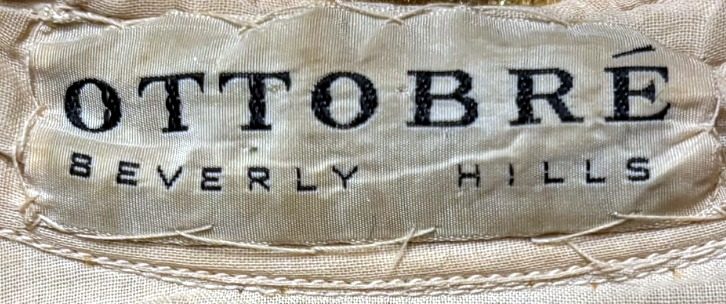
By this time, the Laurel Avenue couture atelier were complete. A grand-opening cocktail party announced that the doors were open, and ready for clients.
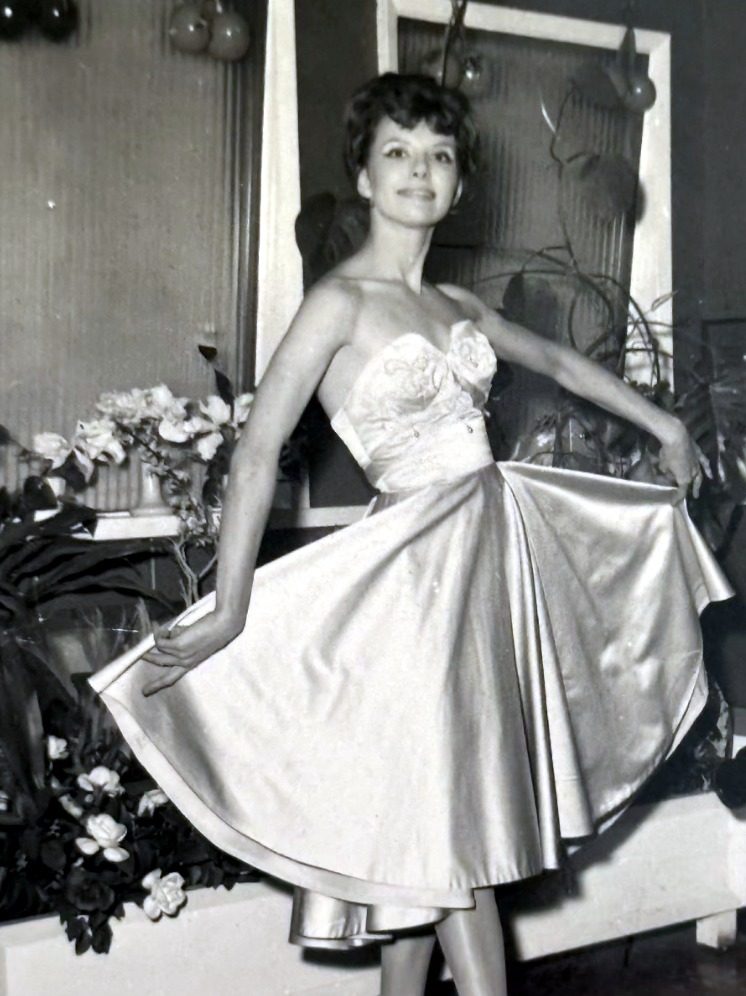
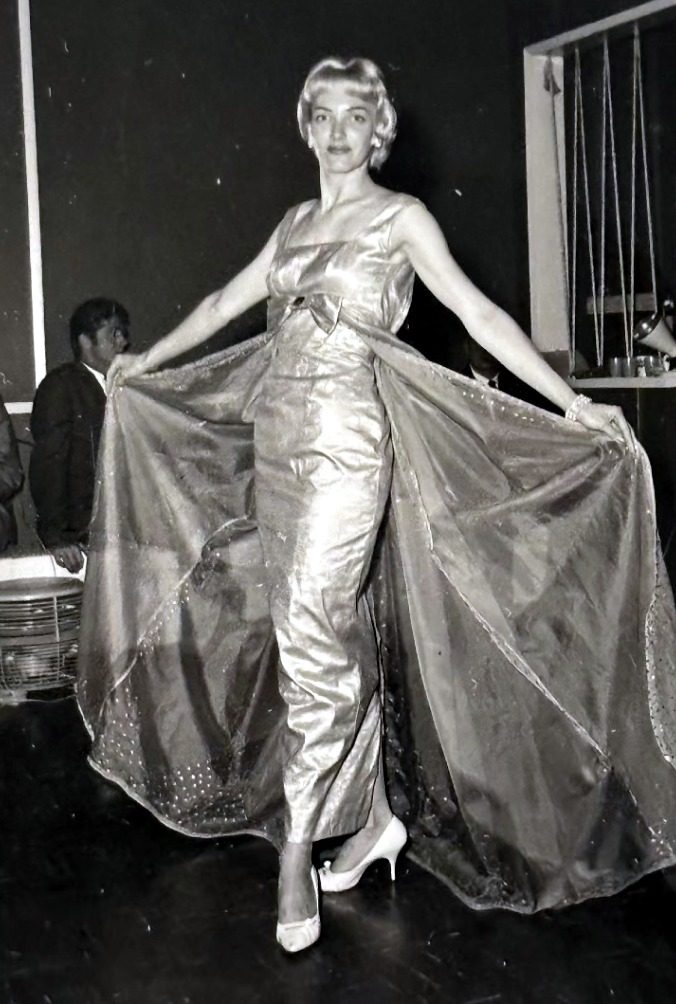
The long pathway leading to the new West Hollywood atelier had a calming, jungle-like atmosphere that set the tone for the Ottobre couture world. Visitors walked past towering greenery, ferns, jasmine, mystery gardenias, and princess flowers. Beyond the gate, a brick patio featured an Italian fountain nestled among the foliage on the left, while white lion statues flanked the steps leading to the French-door entrance of the atelier.
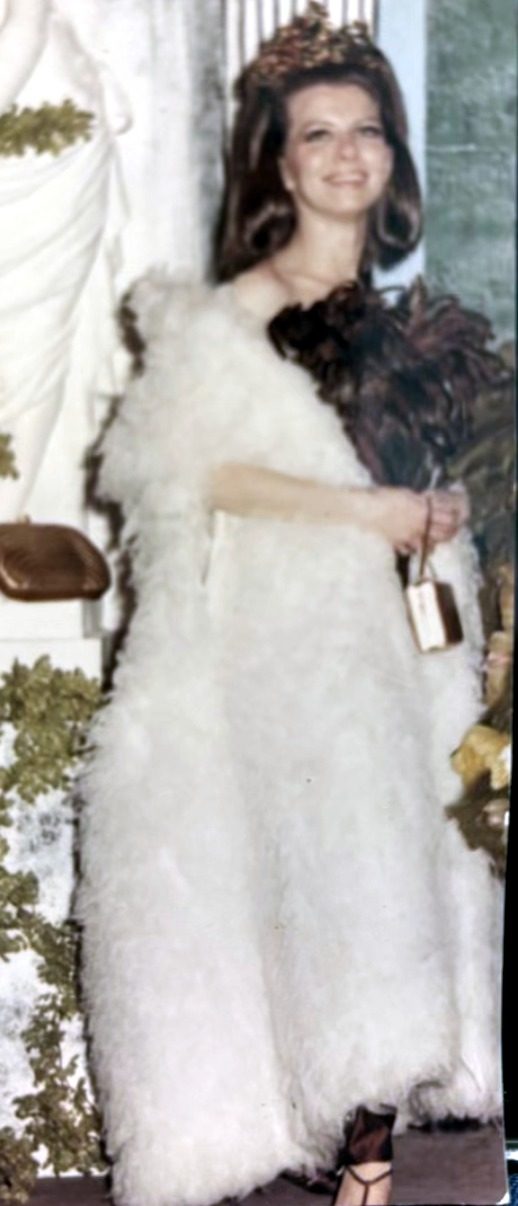
The entry walls were painted a warm rose color that complemented skin tones. To the left sat a plush sofa upholstered in greenand-gold damask and piled with oversized pillows. A glass-top coffee table displayed the latest European fashion magazines. Above it hung an Art Nouveau-inspired chandelier of aubergine and amber glass. Gino’s fashion illustrations, complete with attached fabric swatches, adorned the walls, showcasing the latest creations in progress.
In the right corner stood a red telephone without a dial, perched atop a waist-high Roman-inspired pedestal. The phone had a private number reserved for elite clients who had little patience for a busy signal.
Further inside was the fitting area, anchored by an oversized beveled mirror and a Persian rug. A carved wooden side table held the essential fitting tools: silk pins, tape measures, and precision shears. An Art Deco sideboard housed a cappuccino machine, a selection of cocktail spirits and fine liqueurs, and a plate of Milano cookies.
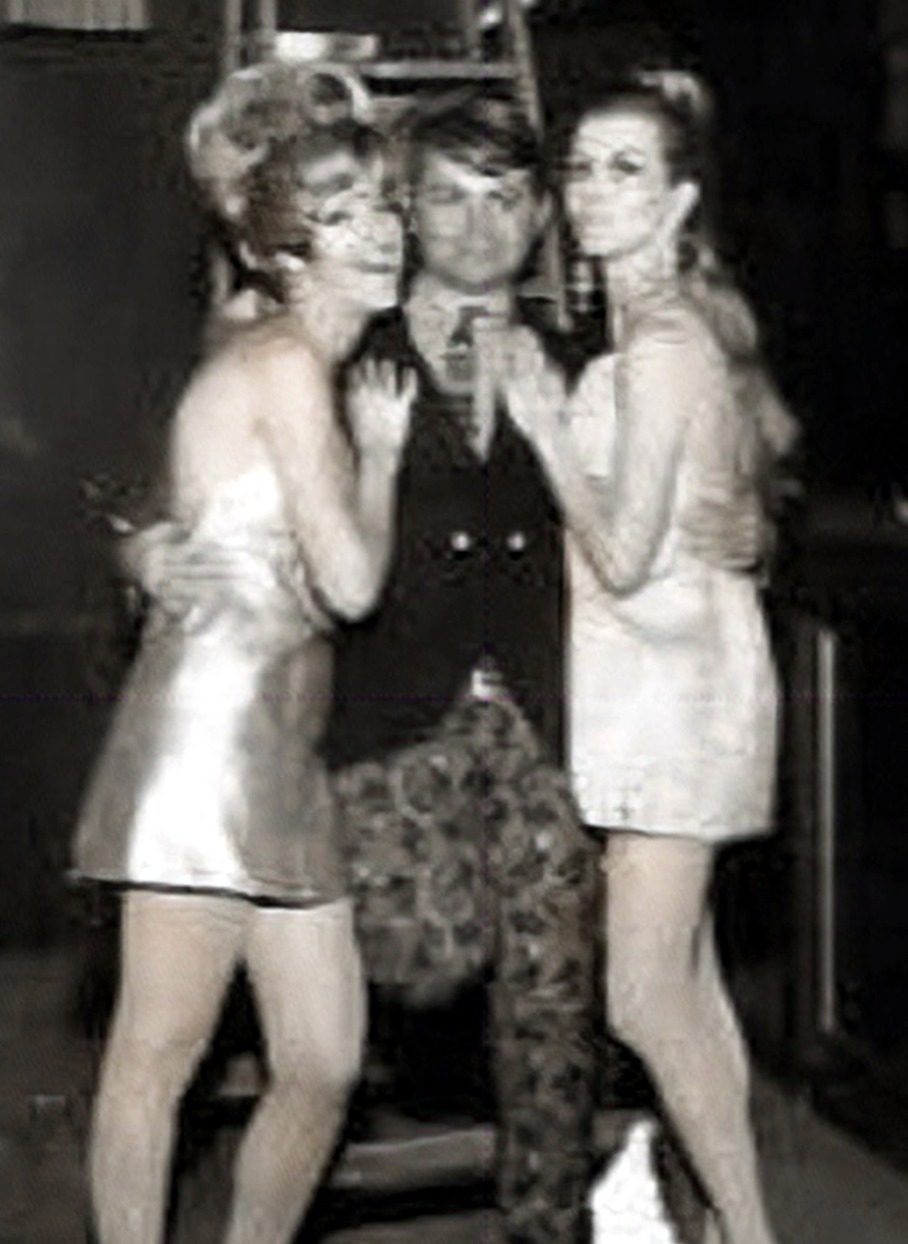
The children knew how to answer the telephone as though they were salon employees and could take messages when needed. Barbara continued to serve as Jim’s fit model.
The atelier workroom never truly closed for the day. Work often continued into the early morning hours. Dinner was merely a pause, sometimes followed by a brief rest before returning to the workroom. Having the business next to the home left little opportunity for time off. Exhaustion became a daily expectation.
Jim began practicing Nichiren Shoshu Buddhism for focus, spirituality, and inner calm. A small altar hung in the dining room, where the entire family learned to chant with their wood prayer beads, Nam-myoho-renge-kyo.
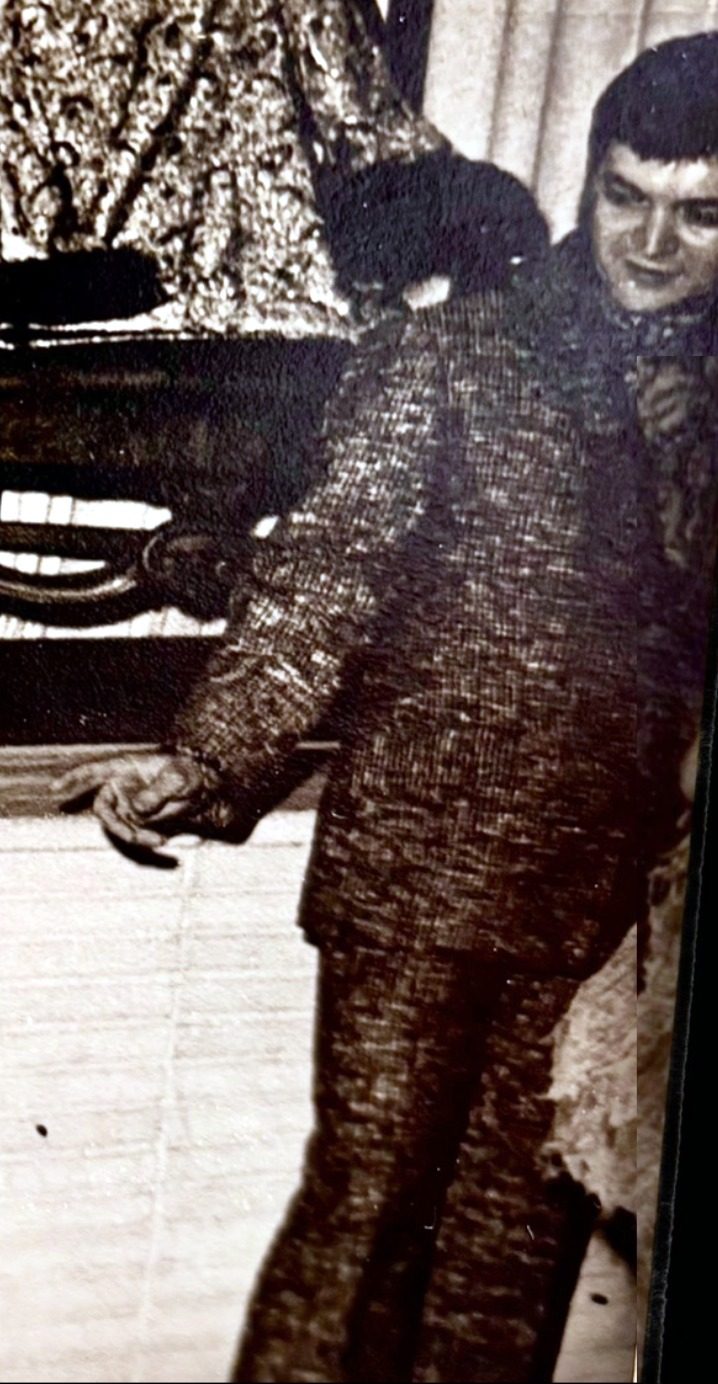
Sundays were reserved for rest, and Jim often slept late. The children attended early morning Catholic services, followed by a Science of Mind service down the block. Jim felt the family should cover all religious bases. Breakfast afterward consisted of European pastries, pancakes, imported cookies, and soft-boiled eggs. Jim loved the comics in the Sunday L.A. Times and reminded the children to wake him for the television segment Fractured Fairy Tales on “Rocky and Bullwinkle” show if he happened to be asleep.
Many Sunday afternoons were spent entertaining friends. There was often a spread of Italian deli meats, cheeses, large seeded bread rolls, assorted olives, pickled giardiniera, and Stella D'oro biscotti.
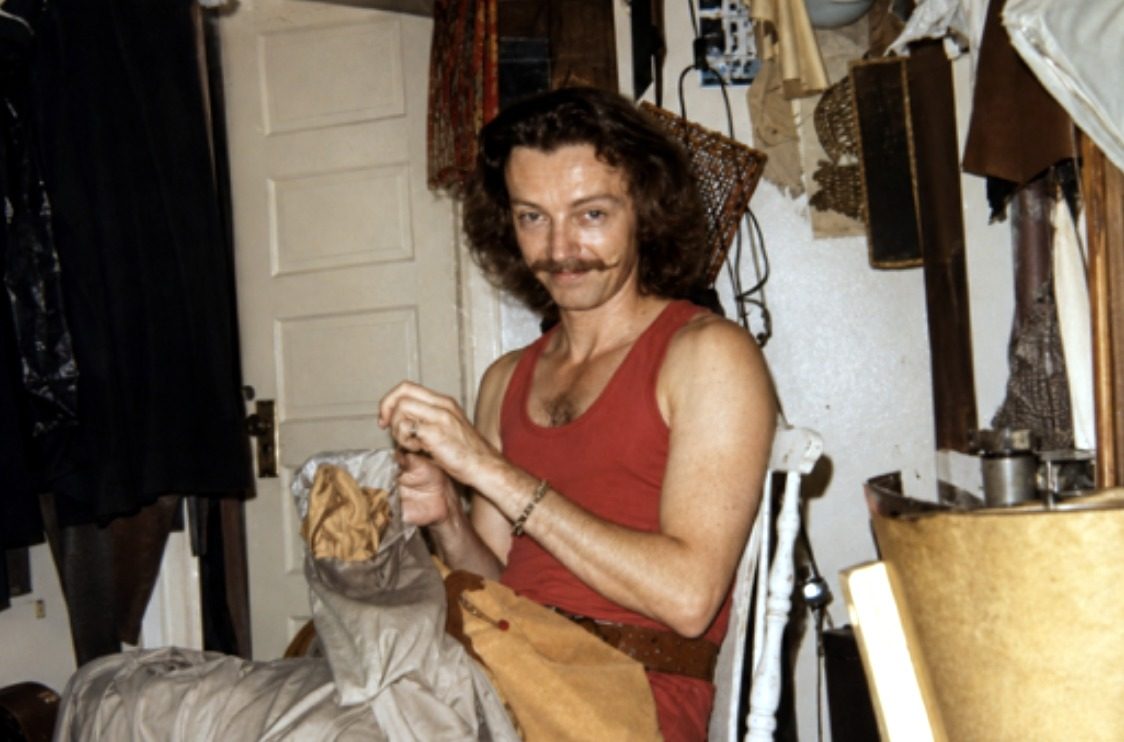
In the atelier workroom, customers seemed drawn in by a certain magic there. They would pull up a chair and watch as their dresses took shape. Bolts of imported fabrics and delicate laces were stacked in the corners. Clients' muslin patterns hung high above the enormous cutting table. The deep hum of two industrial sewing machines vibrated through the wooden floor. The clients would watch as Jim was draping or sewing, Gino would be sketching or beading, and additional stitchers would be sewing up muslins or finishing hems.
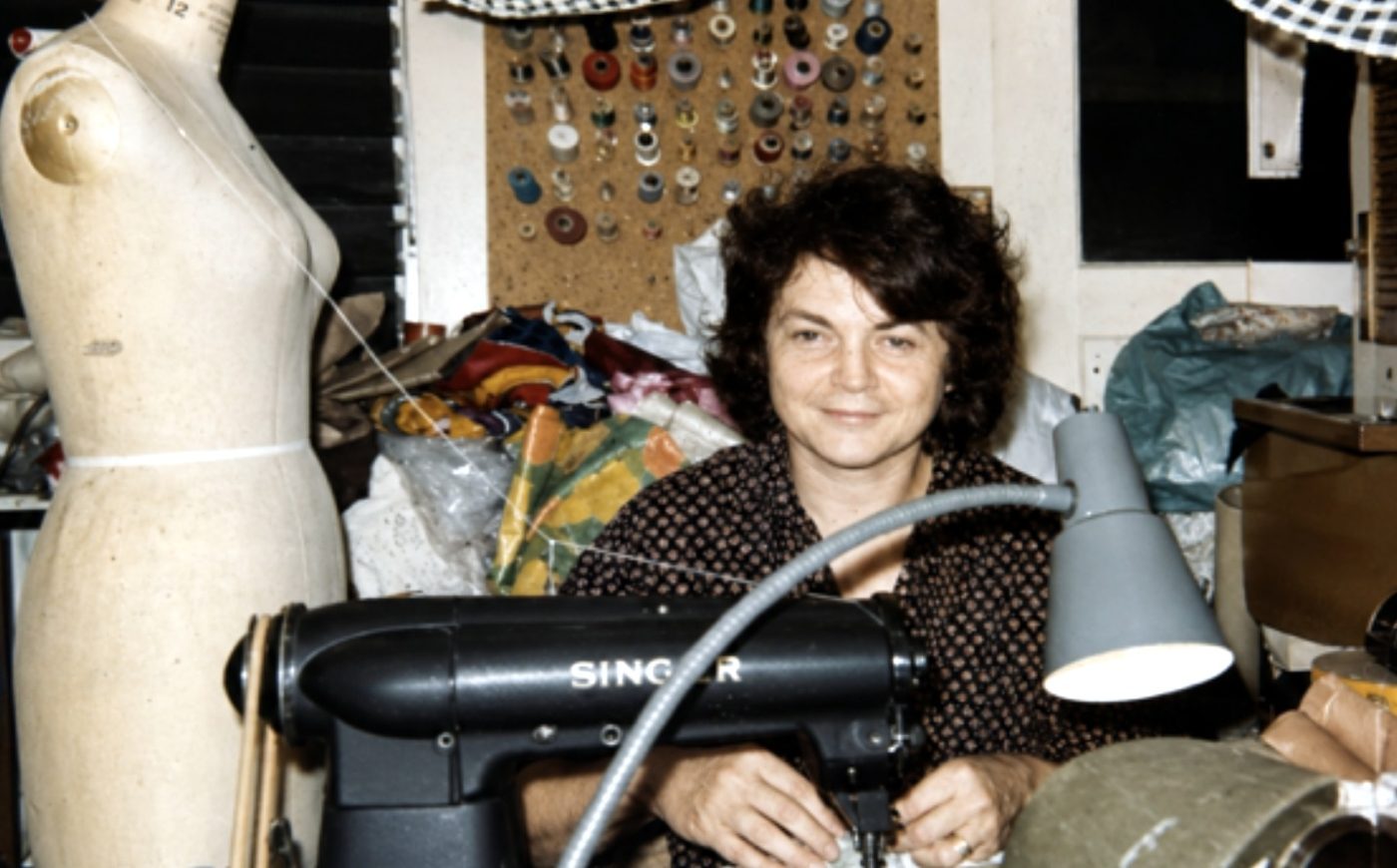
Dress forms displayed a rotating collection of gowns destined for charity balls, galas, and black-tie events. Once a year, Jim traveled to Las Vegas to measure new showgirls for Folies costumes. Back in the workroom, feathers, rhinestones, colorful trims, and satin fabrics filled the space.
Double French doors opened from the workroom onto a backyard landscaped as an exotic jungle. Australian tree ferns, philodendrons, and passion-fruit vines flourished beneath the shade of a massive Chinese elm tree.
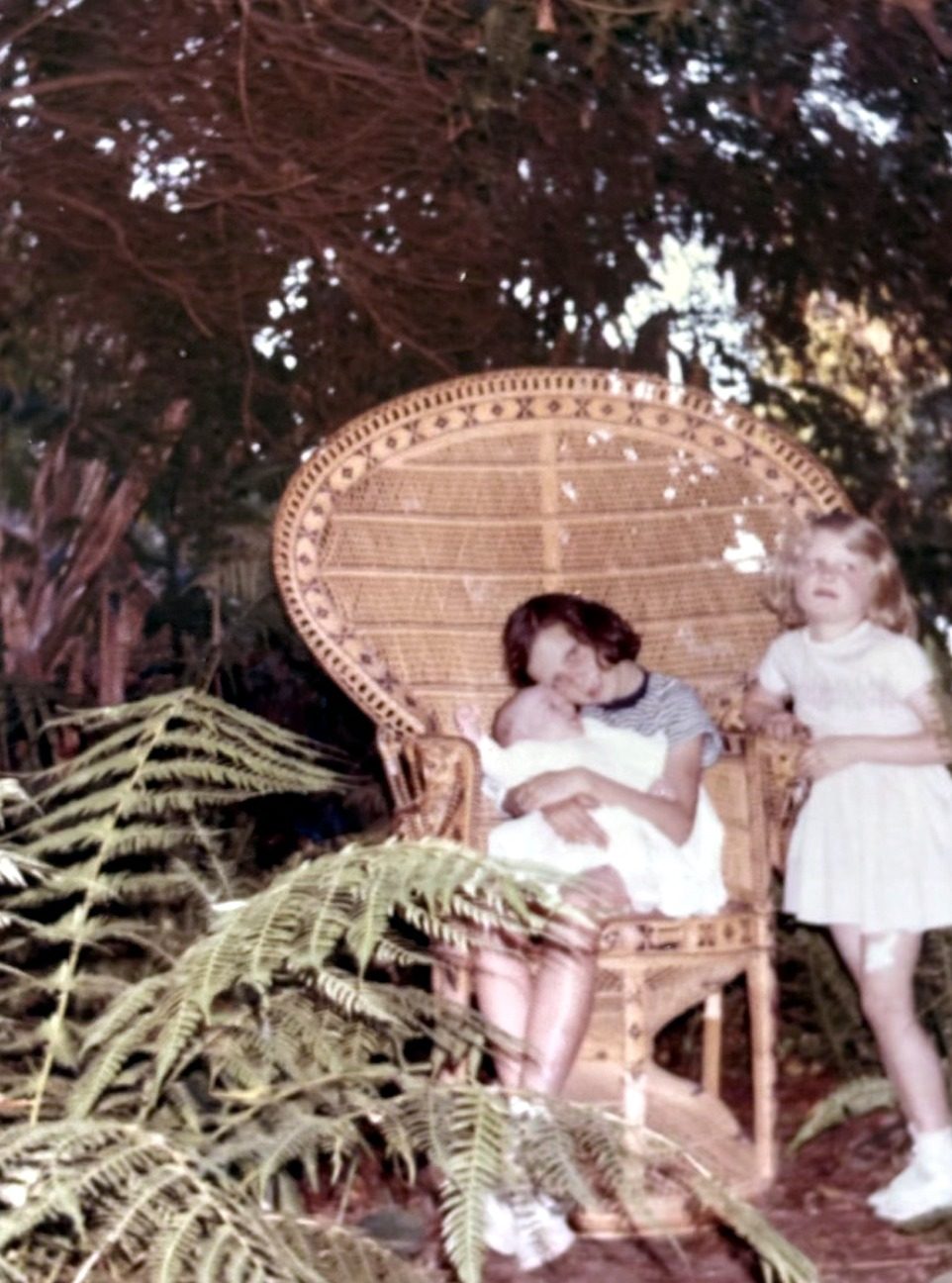
With the help of two additional stitchers, Jim began selling selected designs to boutiques on Rodeo Drive and Melrose Avenue. Ready-to-wear fashion became an increasingly attractive way to expand the business.
As the 1960s gave way to the 1970s, and recession altered spending habits, fashion trends shifted toward a more casual style. The cocktail era was ending. Expanding one’s consciousness was now fashionable. Client fittings often evolved into deep metaphysical discussions. Some customers offered the staff Valium, marijuana, LSD, or Black Beauties to help fuel all-night work sessions.
The pressures of long hours, financial uncertainty, drug culture, and changing times eventually took a toll on Barbara and Jim’s marriage. They separated in 1971. Jim moved a few miles away to Fairfax Avenue, above Sunset Boulevard, where he established a small studio.
There, a season of unraveling and healing began. For the first time, Jim realized he had spent his entire life working rather than truly living. The wheels were now in motion toward a more meaningful existence. At thirty-nine years old, Jim had been running full speed throughout his life. He was ready for a more intentional way of living. Now he had to find it.